
Edge AI
Language, vision and voice models run on hardware in your home. Answers in milliseconds, with or without internet — and your data has nowhere to leak to, because it never travels.
ALYT 2.0 · The edge-AI evolution
ALYT evolves into an edge-AI platform for the connected home. Professional-grade security and automation, with intelligence that lives in your house. Not in someone else's cloud.
The story
ALYT began in 2010 as a simple, stubborn idea: professional intruder alarm protection shouldn't require masonry work and a four-figure install. By 2014, 570 backers had funded the ALYT Hub on Indiegogo — one box that spoke Z‑Wave, ZigBee and a professional encrypted security radio, years before "Matter" was a word.
Telecoms noticed. Pilots ran with Vodafone, Wind and MegaFon. The platform grew to more than 1,000 compatible devices from 200+ brands. And one line in the 2015 pitch deck read: "intelligence is both locally and in cloud."
ALYT 2.0 finishes that sentence. The models are finally small enough, and the hardware finally strong enough, for all of the intelligence to live where your things live: at home.
The platform
Our mark is a Penrose triangle — a shape that shouldn't exist. So is an assistant with cloud-level intelligence that never sends your life to a cloud. We build it from three interlocking sides.
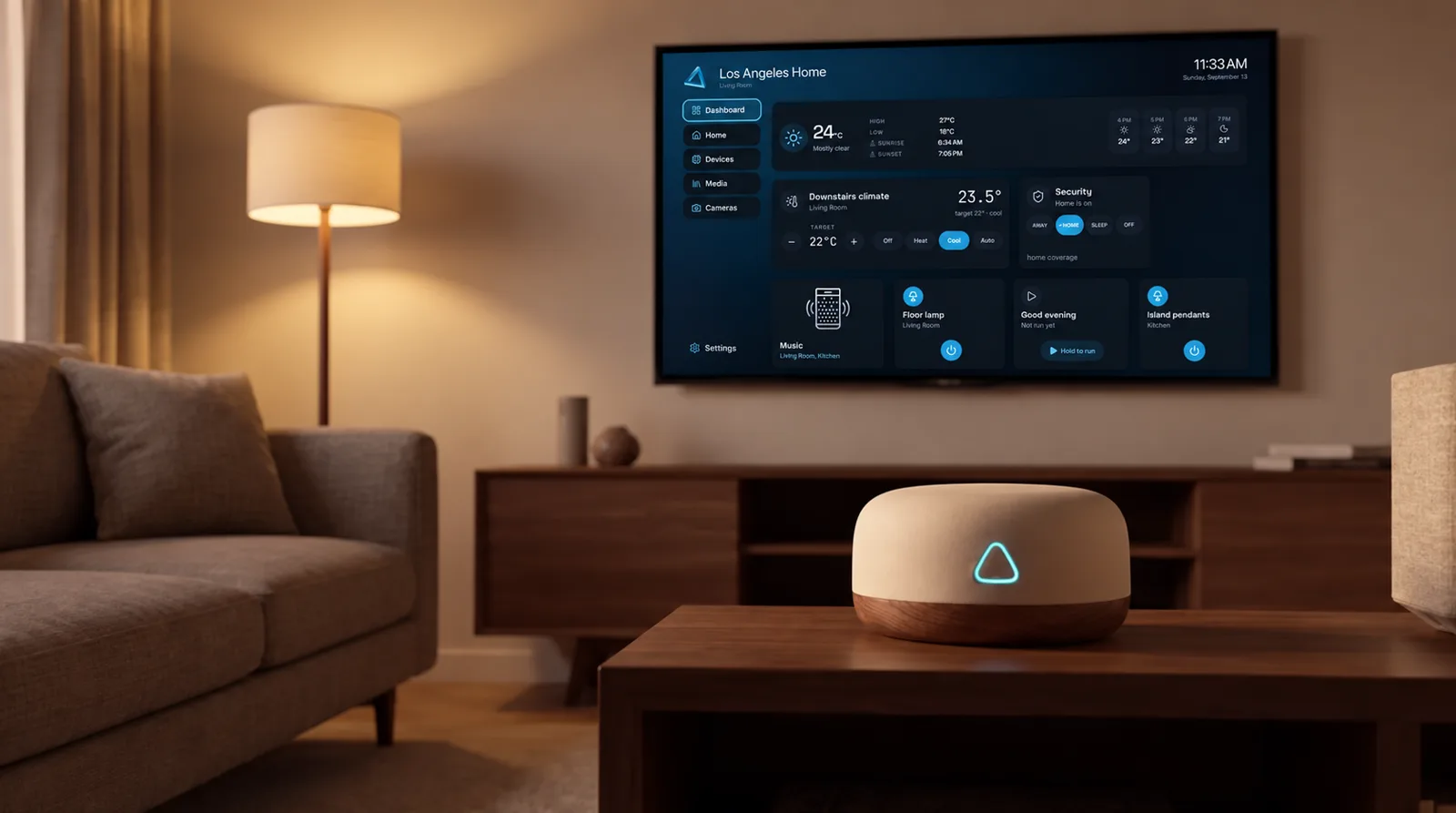
Language, vision and voice models run on hardware in your home. Answers in milliseconds, with or without internet — and your data has nowhere to leak to, because it never travels.
Far-field microphone satellites in every room, replies on your Sonos system. An assistant that actually knows your home, because it lives there.
Born from professional intrusion detection. Sensors, cameras and alarm logic engineered to security-industry standards — not gadget standards.
Edge AI
Every cloud assistant is a microphone wired to someone else's computer. ALYT inverts that: open models run locally, tuned for the work a home actually needs — conversation, presence, cameras, routines.
First product — in development
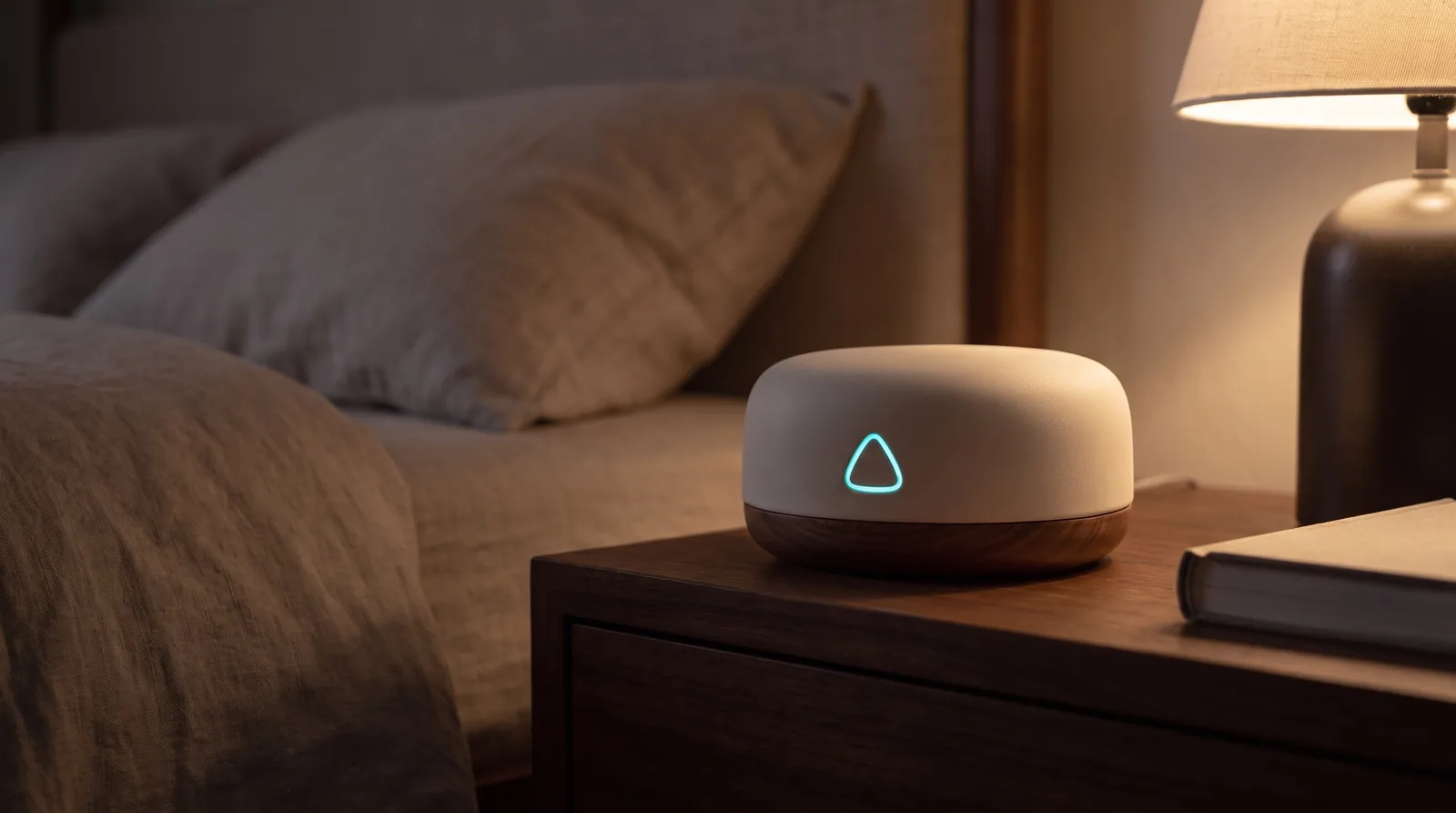
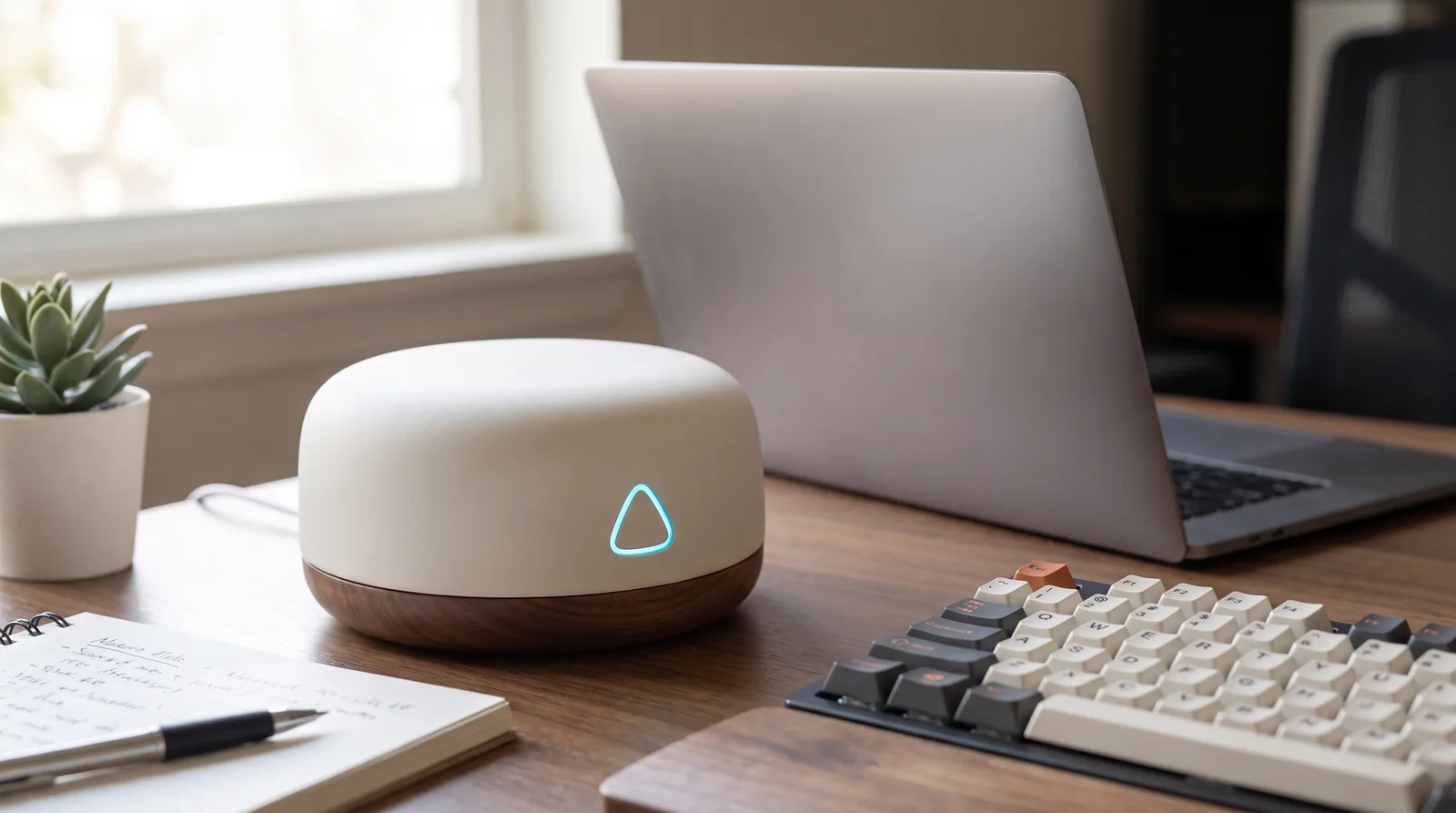
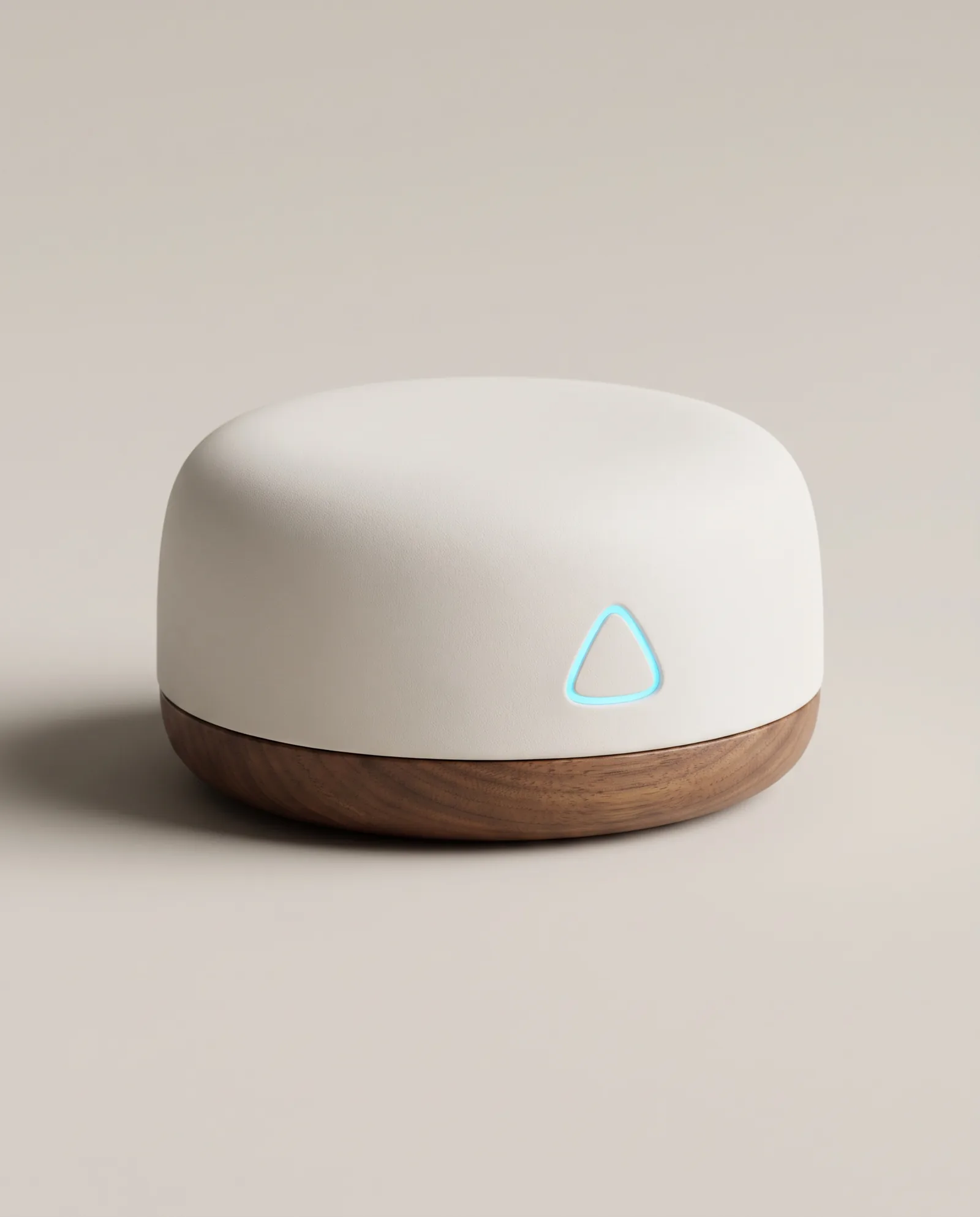
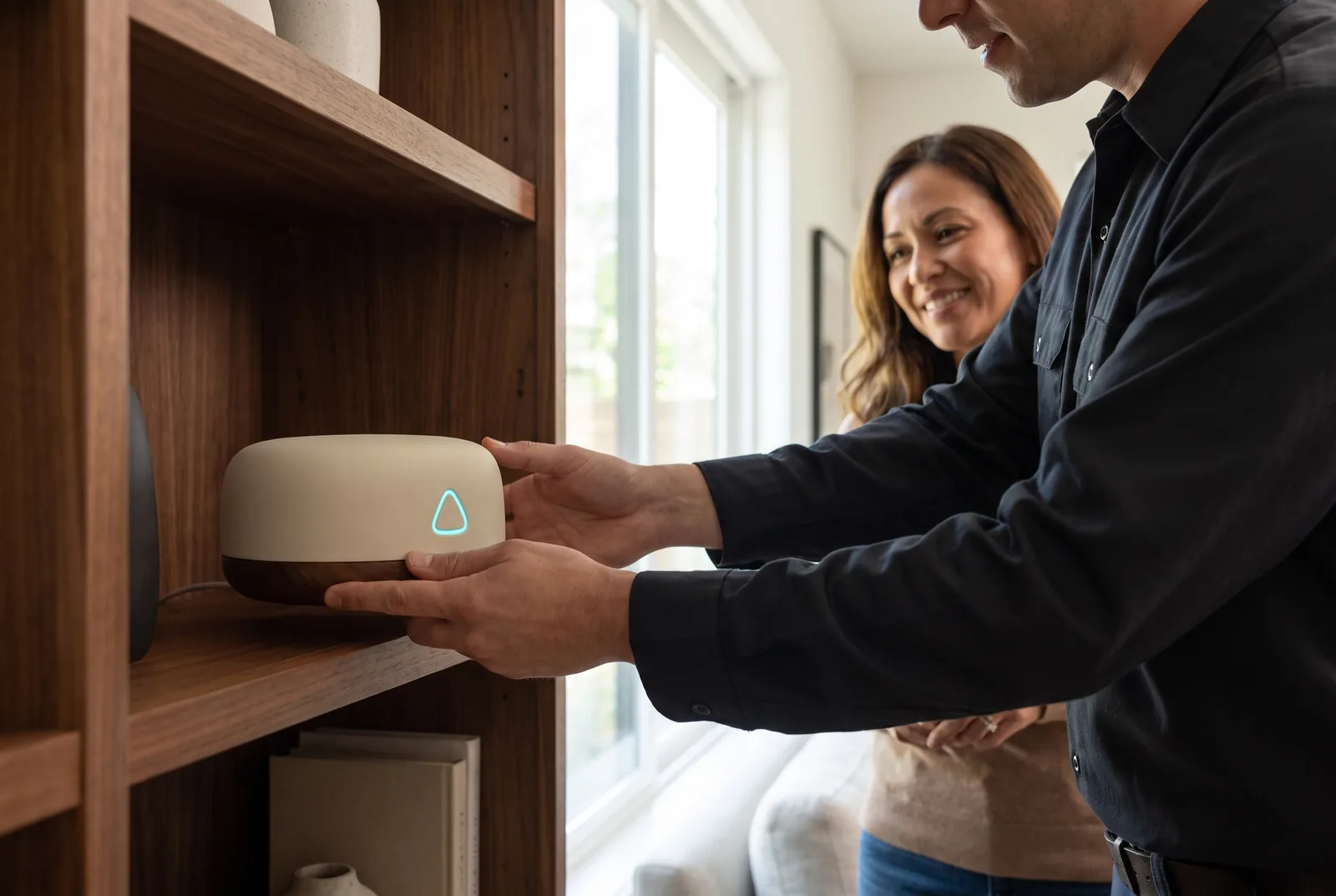
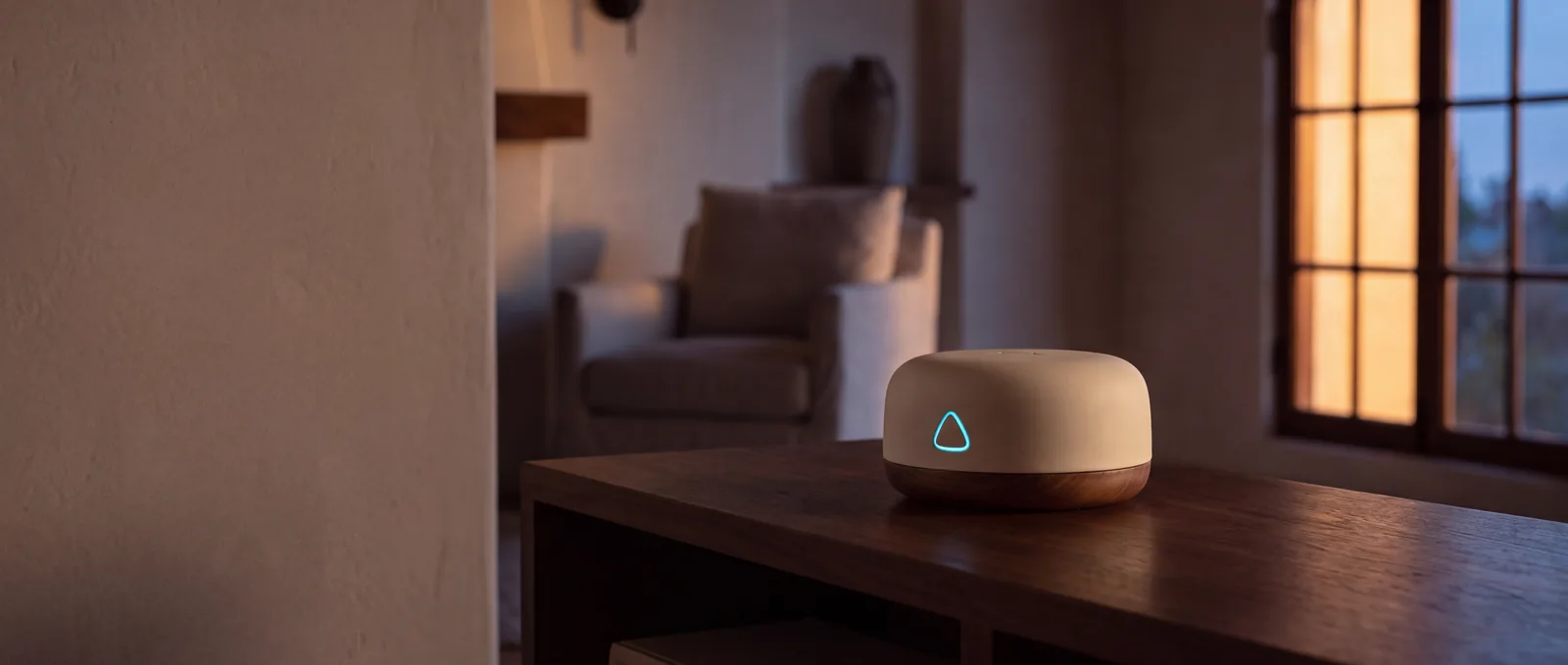
Small satellites with far-field microphone arrays, one per room. Wake word on the device. Speech, understanding and reply — all computed inside your home, spoken through your Sonos.
A 4-microphone XMOS array with beamforming and echo cancellation picks you up across the room — not just at the countertop.
The wake word runs on the satellite itself. Until you say it, nothing streams anywhere — not even inside your own network.
Replies play through the speakers you already love, room by room, with the mic muted while it talks so it never hears itself.
Kitchen, office, bathroom, even the car. Satellites are small, sealed where they need to be, and everywhere you are.
Security
ALYT's very first sketch, in 2010, was an intruder alarm. The first hub shipped with a professional encrypted security radio and worked with sensors from GPS Standard — a security manufacturer with five decades of intrusion detection behind it.
The relaunch keeps that DNA and adds an edge-AI brain: cameras that understand what they see, alarm logic that knows the difference between a cat and a crowbar — and processes all of it on site, to professional standards.
Integrations
The original ALYT was the open hub — any protocol, any brand. The relaunch speaks today's languages and keeps yesterday's promises.
For builders
Under the marketing site there's a real platform: multi-tenant device management, per-device MQTT credentials, OTA updates, and an AI-services gateway that routes to local models first. The voice satellite is the first thing we're building on it — not the last.
ALYT Voice ships to a small group of early homes first. Tell us you want in, and we'll keep you close.